

Hariharananda Balashram is nestled in the serene rural landscape of Arua village, approximately 100 kilometers from Bhubaneswar, Odisha. Spread across twelve acres near Pattamundai, the campus is thoughtfully designed to nurture the educational, physical, social, and emotional well-being of its students in a holistic manner.
The school’s humble beginnings trace back to a simple house generously donated by Guruji’s aayi, his maternal aunt, who later embraced monkhood as Swami Amrutananda Giri. From those modest roots, Balashram has grown steadily—brick by brick—embodying the vision and compassion of the great Masters.
The school campus is thoughtfully designed to provide a nurturing and stimulating environment for learning and growth. It features a well-equipped main school building with spacious classrooms, a library, smart classrooms, state-of-the-art science laboratories, a dedicated math lab, language activity centers, and a modern computer lab.
A separate block, dedicated to nursery and primary classes, includes age-appropriate classrooms, a vibrant kids' activity room, a comprehensive library, an arts room, a smart classroom, and staff rooms to support early childhood education.
Additionally, a third block houses a mini auditorium, student activity rooms, and the administrative offices, making the campus a well-rounded space for both academic and co-curricular development.
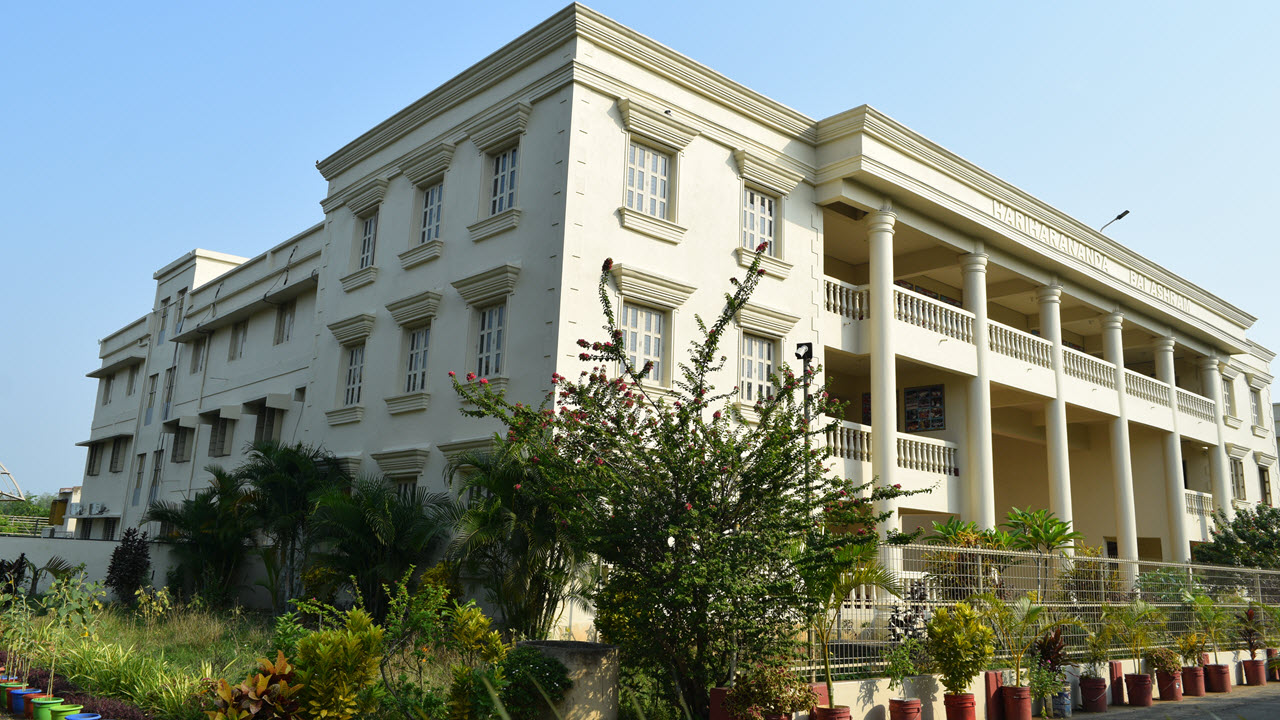
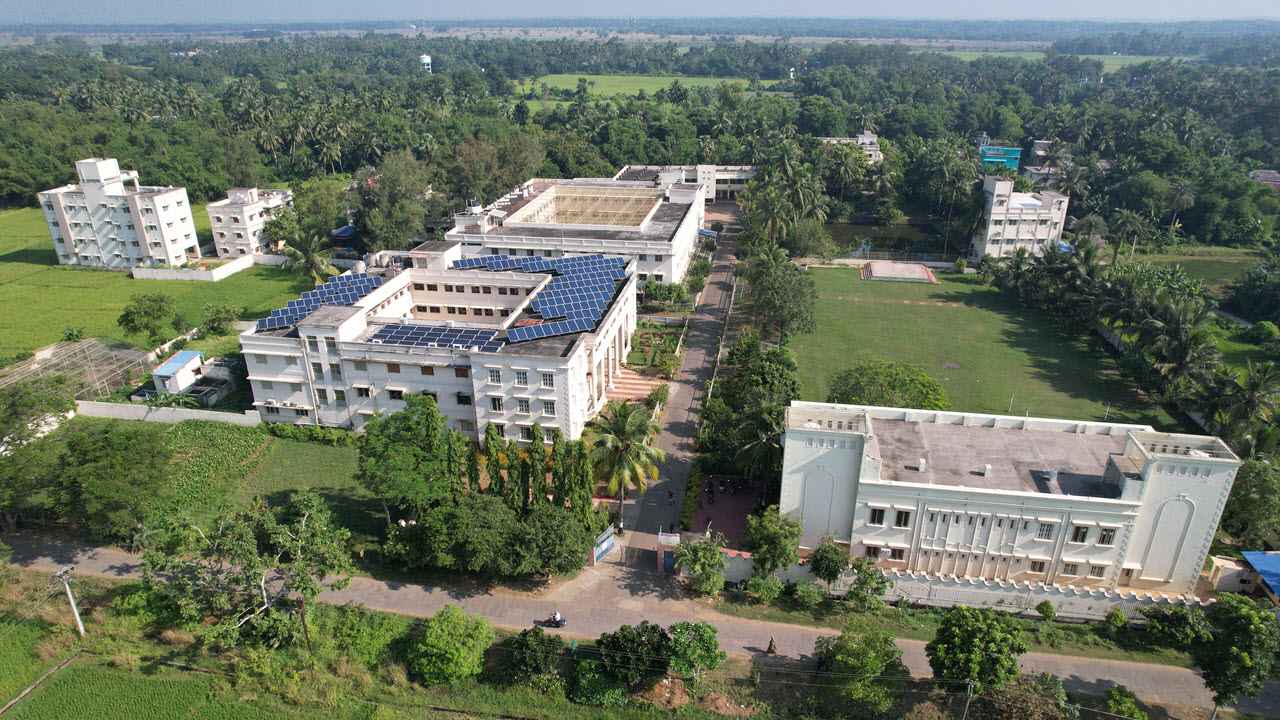
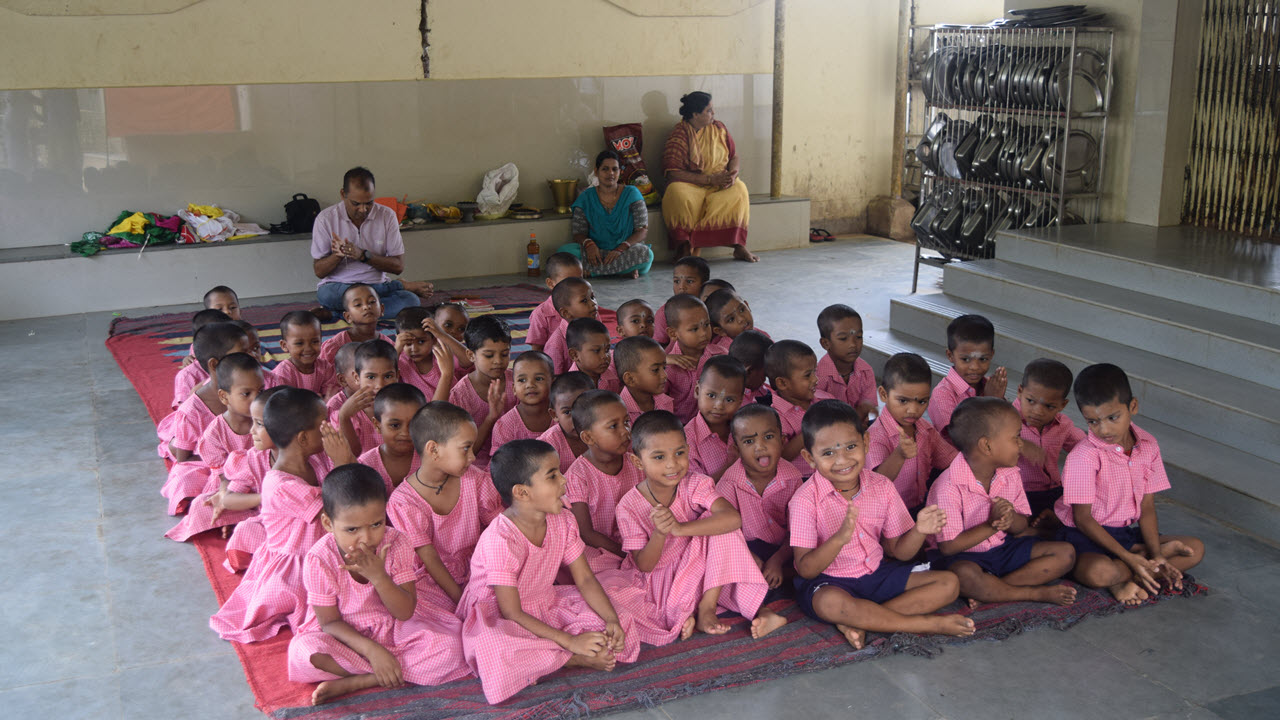
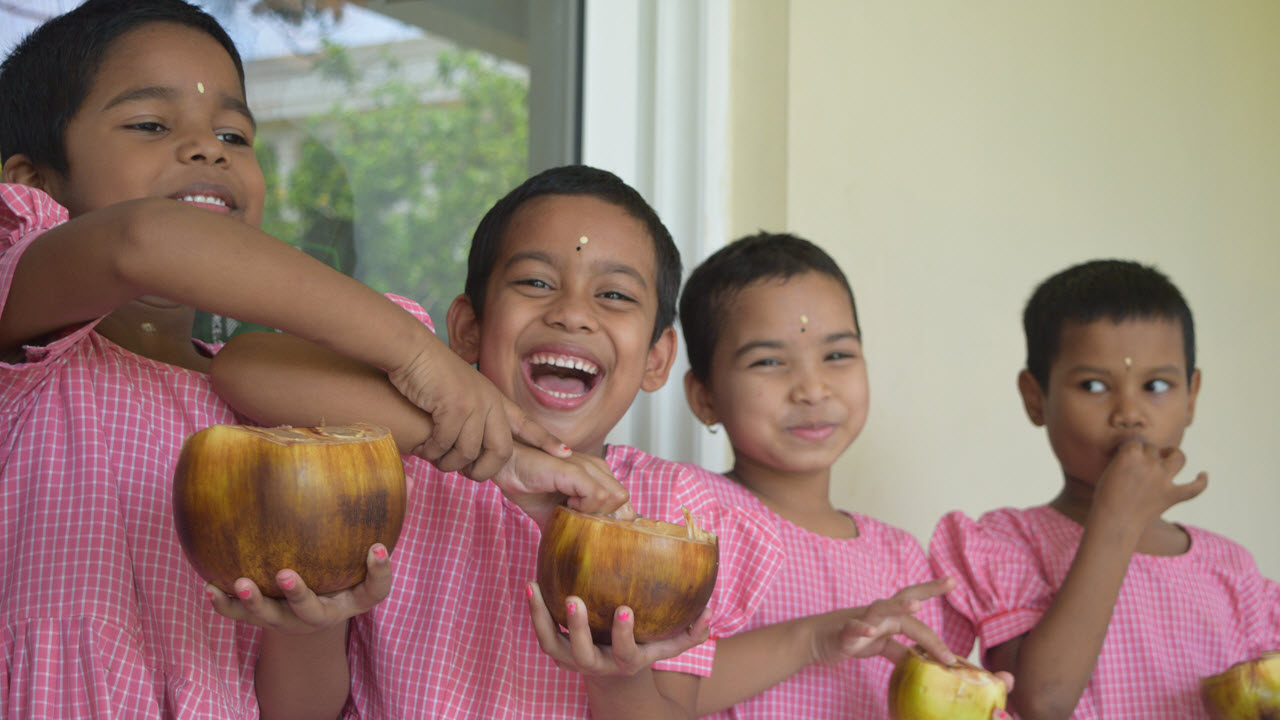
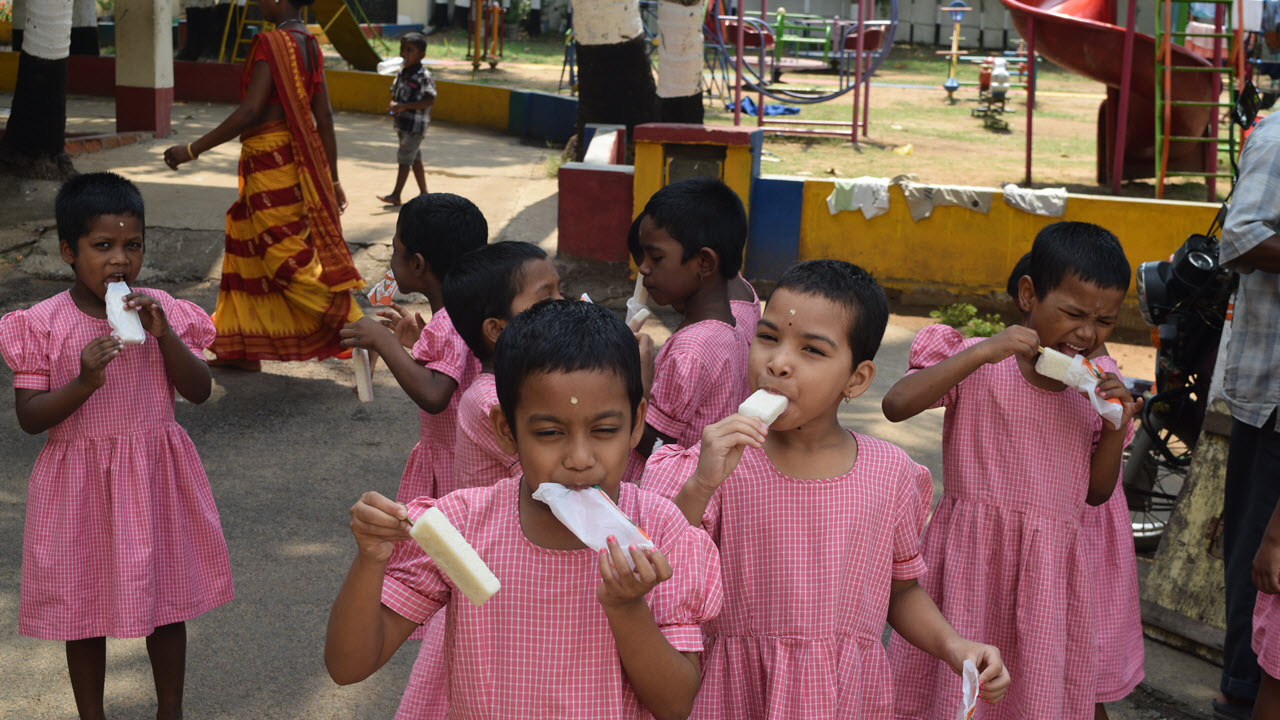
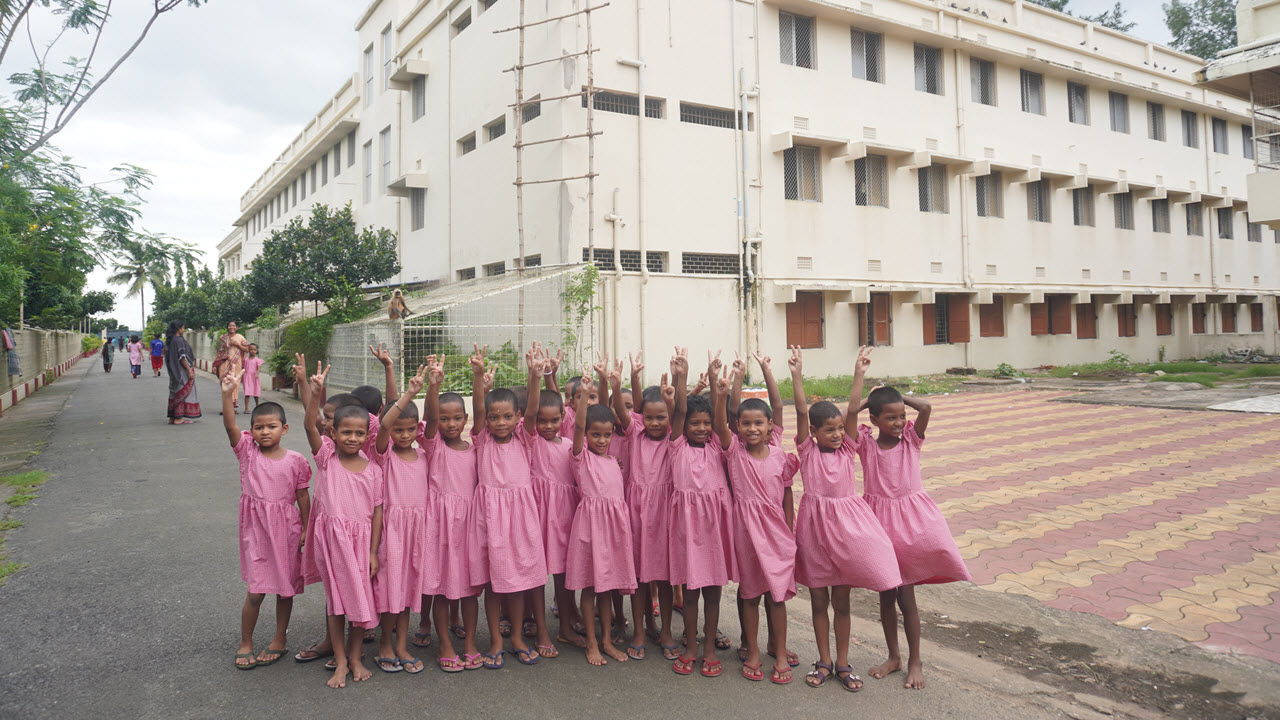
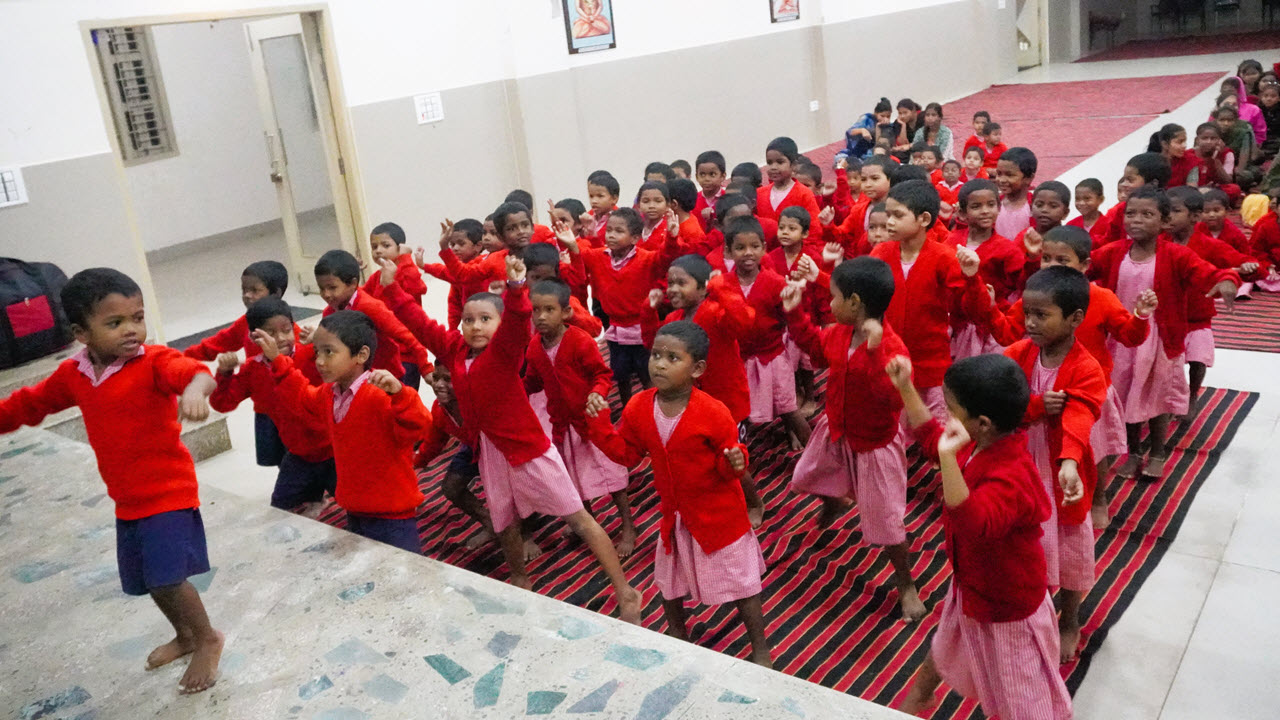
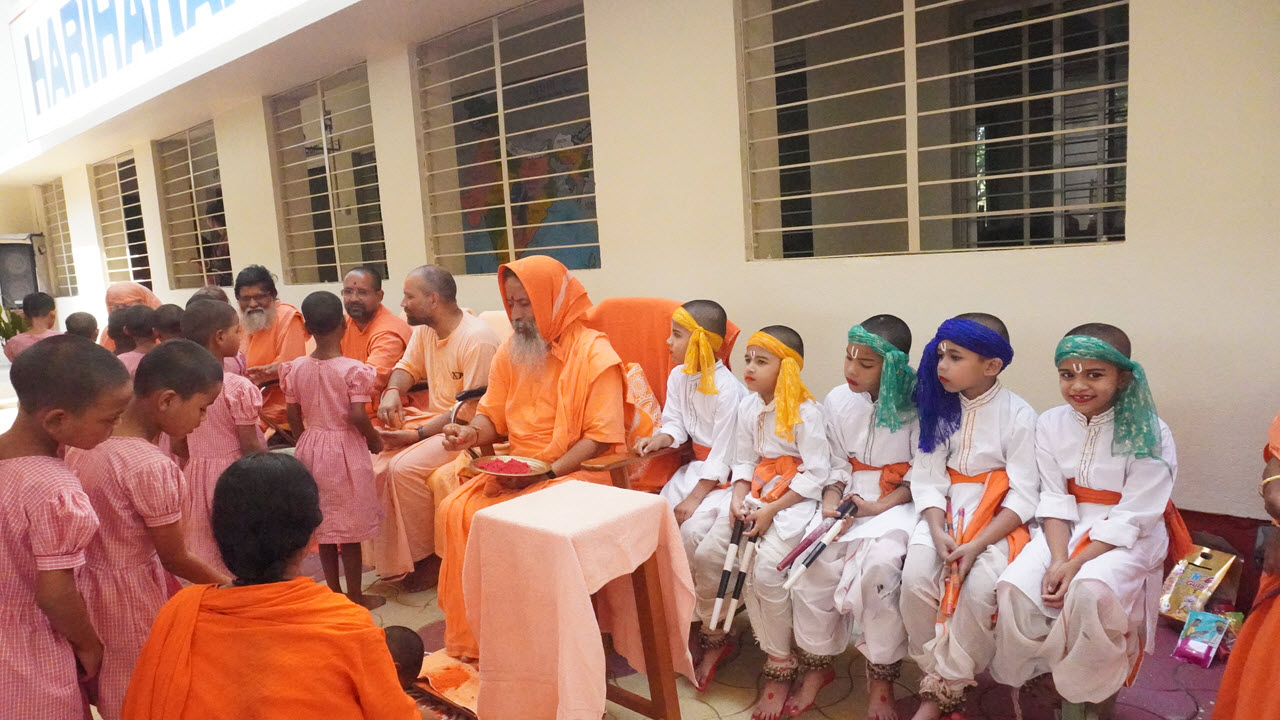
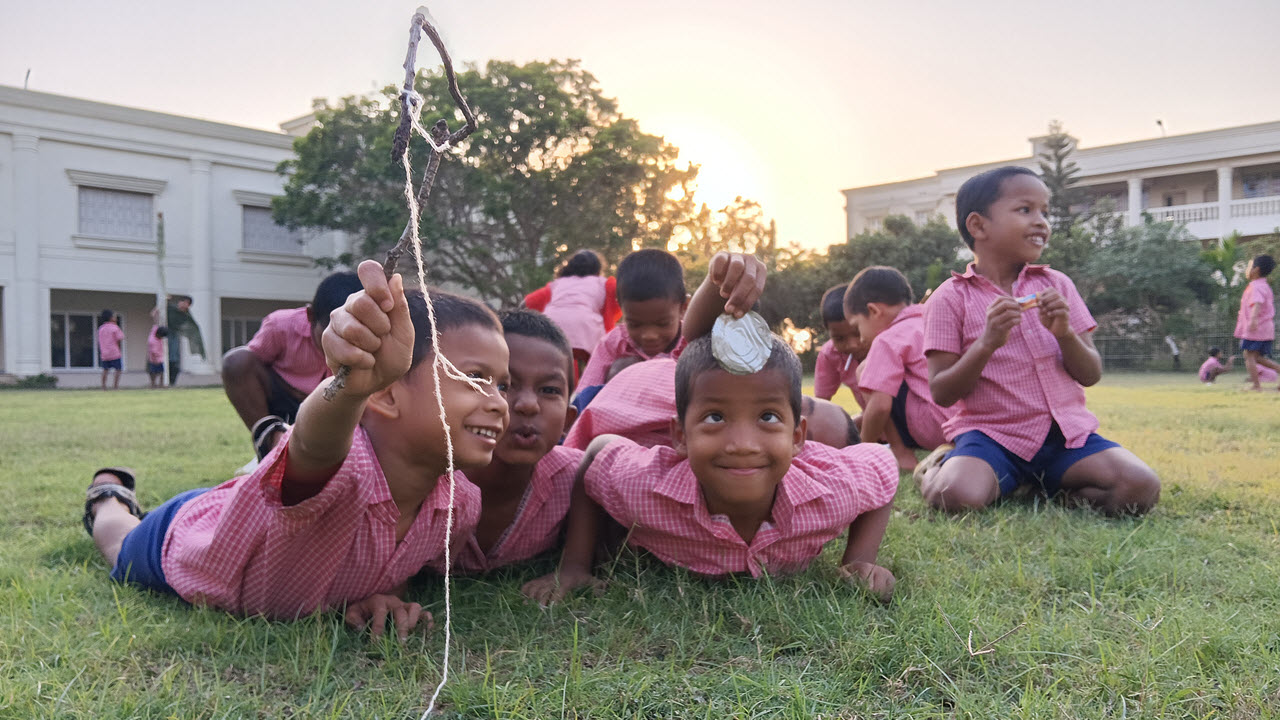
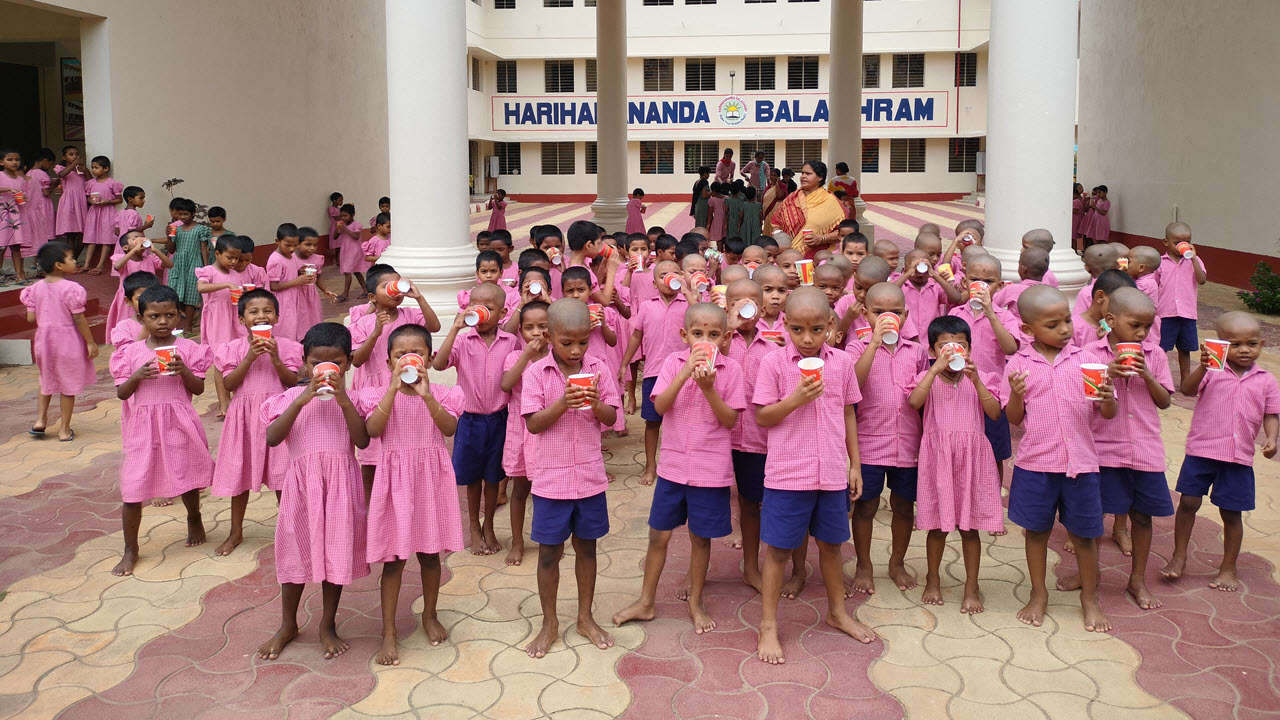
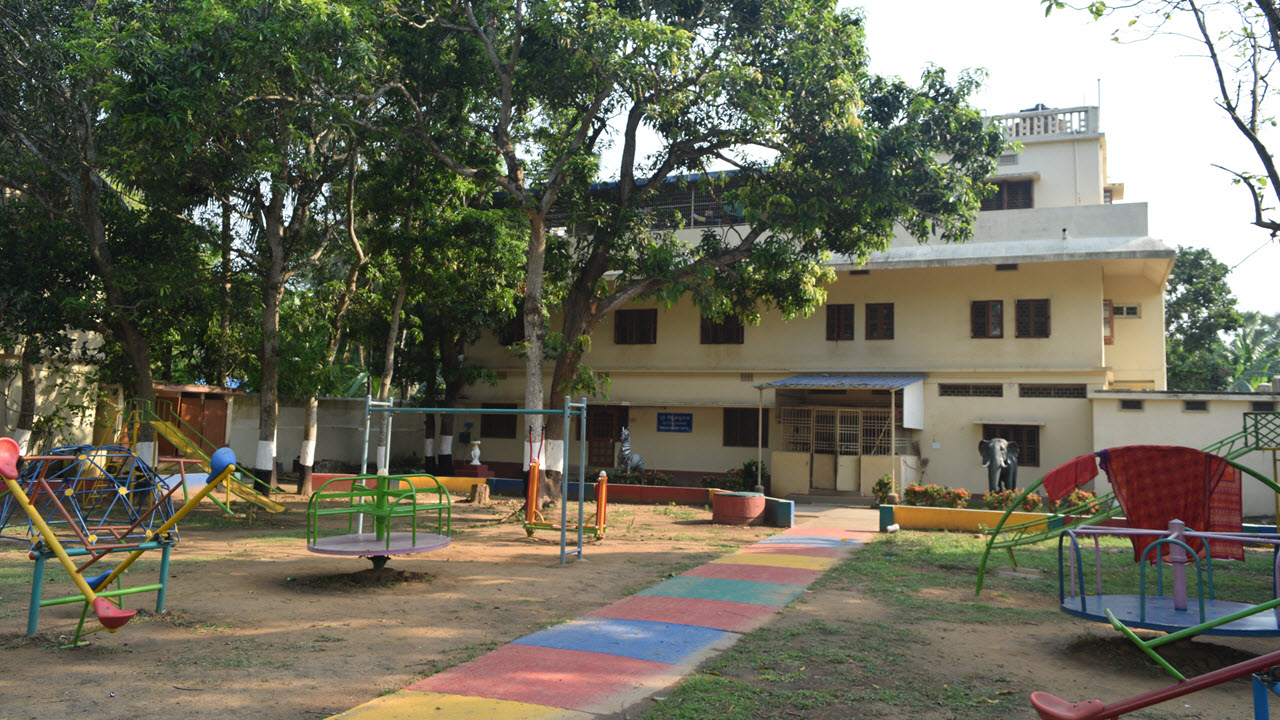
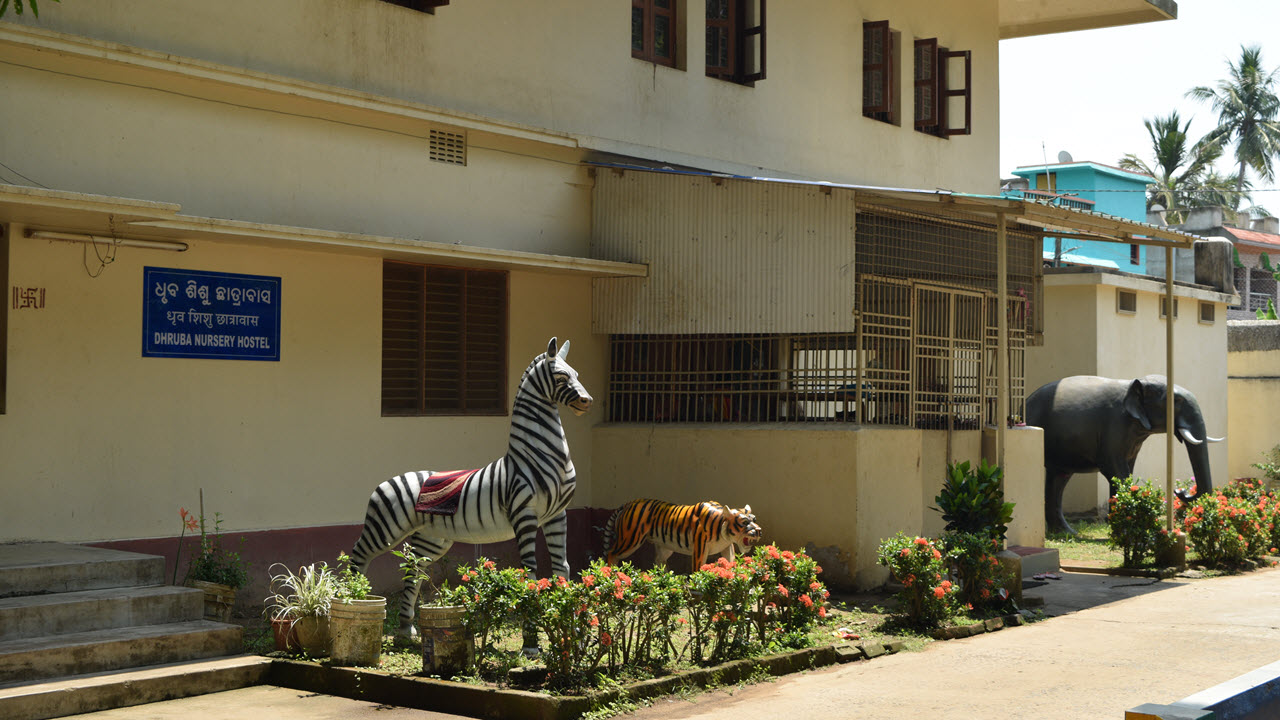
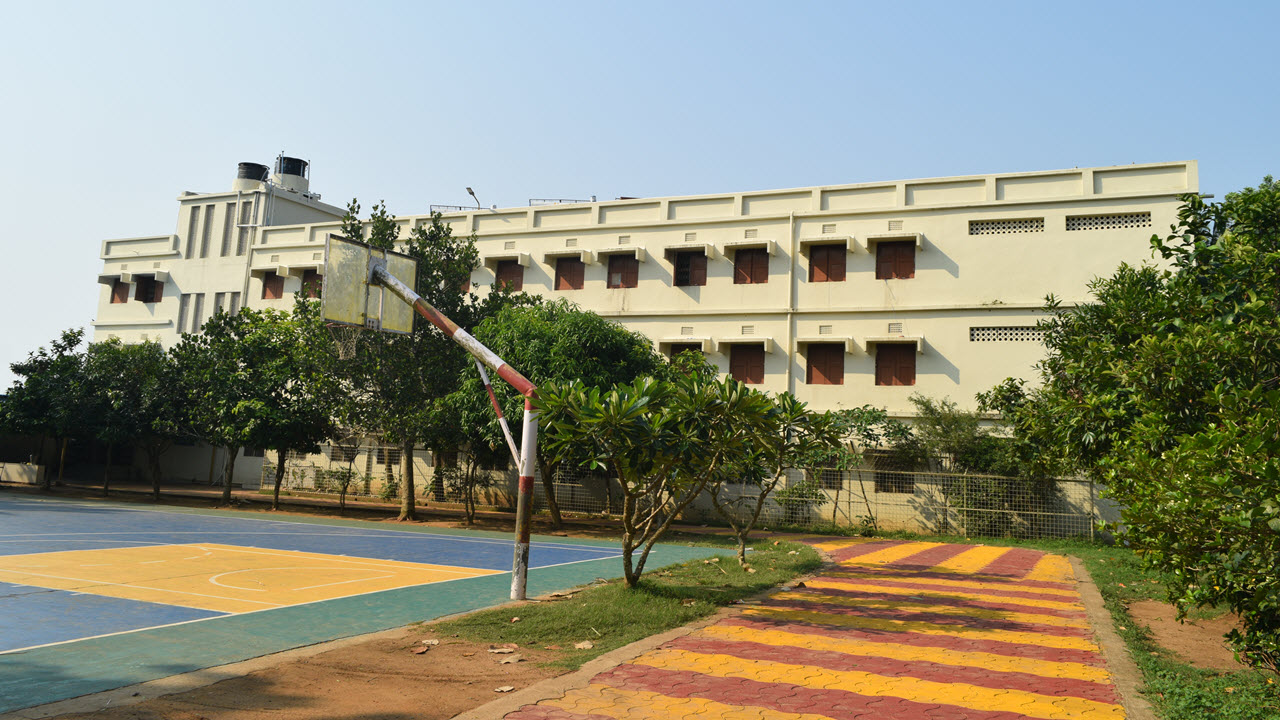
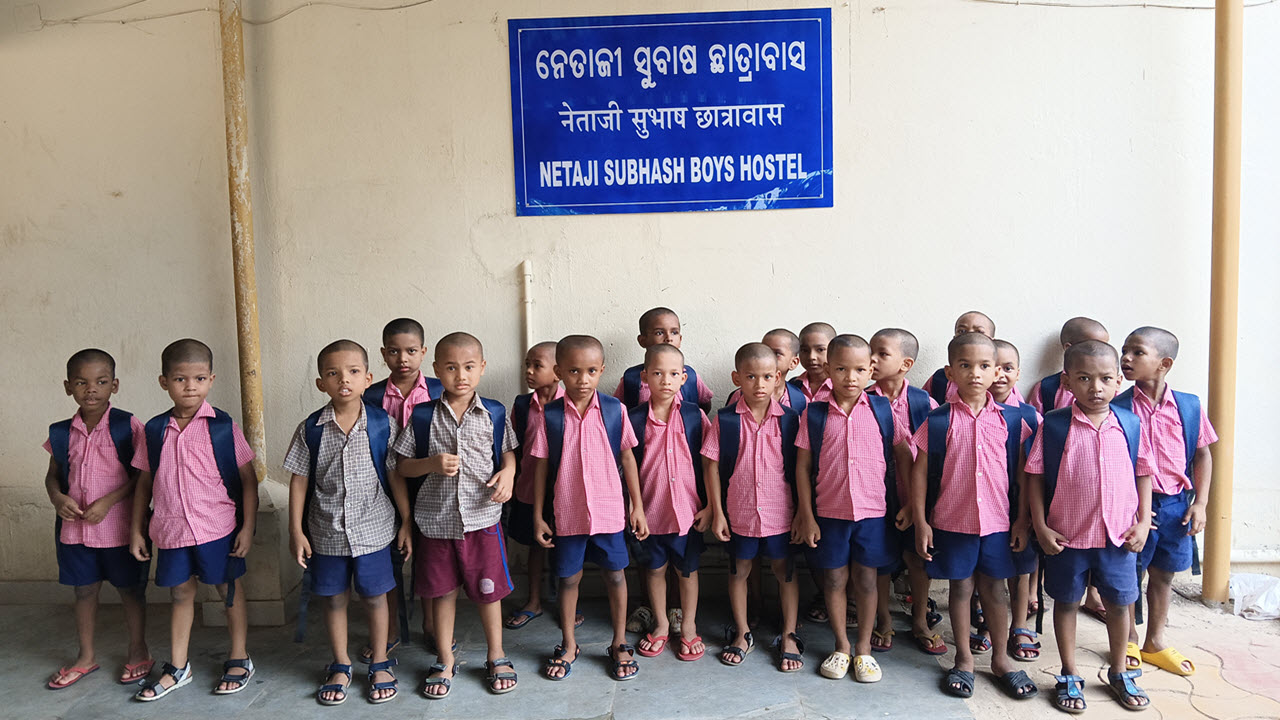
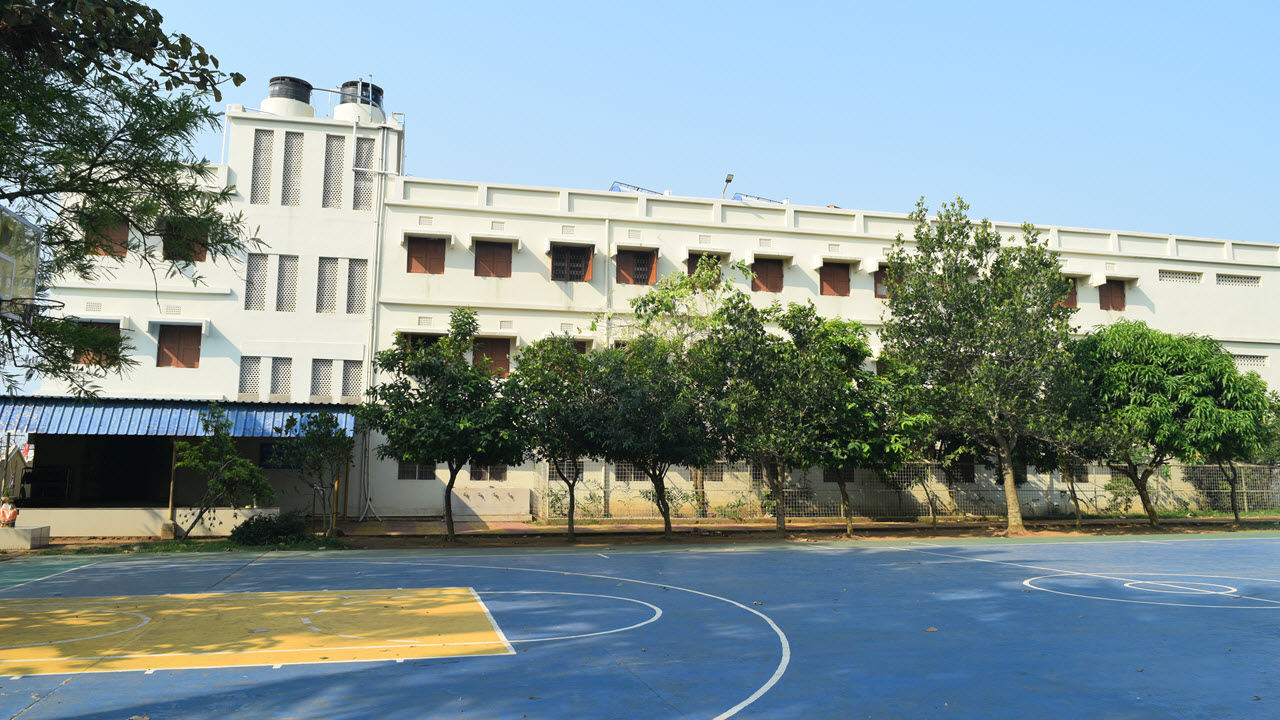
As a residential school, all students are comfortably housed in three dedicated hostel blocks, designed to create a safe, nurturing, and structured environment. The Dhruba Nursery Hostel and Sarada Devi Girls Hostel are situated within the main campus and are complemented by dedicated play areas for each group. The Dhruba Nursery Hostel features a specially designed play area for kindergarten children, equipped with slides, swings, and other age-appropriate play equipment to support their physical and social development. The Netaji Subhash Chandra Bose Boys Hostel, located nearby, includes a spacious hostel building and a designated play area.
Each hostel is equipped with dining halls, common study rooms, meditation halls, and activity rooms, fostering a balance between academic focus and holistic well-being. Dormitory-style accommodations are provided, with individual cots, racks, and study tables for each student.
Common baths and washrooms ensure hygienic and convenient facilities for all residents. The hostels are also supported by solar panels to supply hot water during winter months and inverters for uninterrupted power backup. Additionally, garden spaces around the hostels allow students to engage in gardening, encouraging a connection with nature and responsibility through hands-on learning.
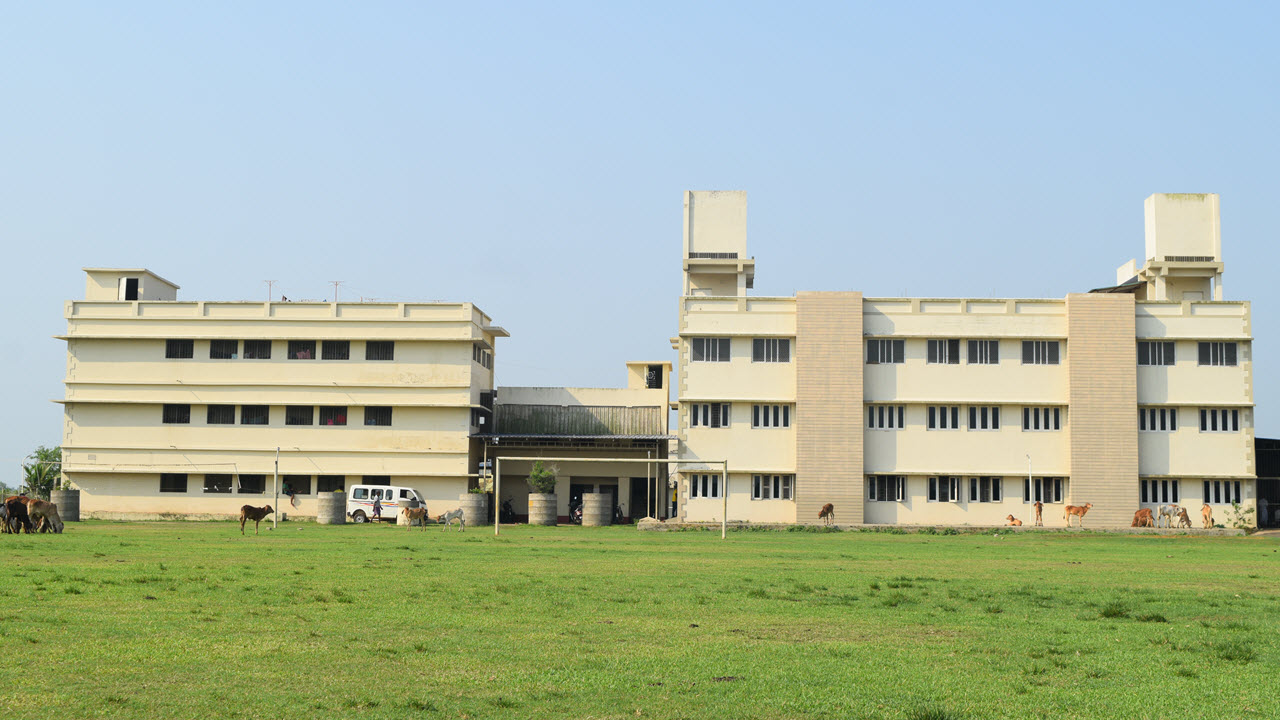
Residential facilities are thoughtfully provided for all teachers and staff to ensure a comfortable stay and their continued presence and accessibility on campus. The campus includes eight blocks of staff quarters: the boys' hostel campus houses 24 quarters in 2 blocks, while the main campus features 33 quarters in 4 blocks. Additionally, the kitchen and cowshed campus offers 4 rooms and 3 dormitories for support staff.
In keeping with the Indian tradition of “Atithi Devo Bhava”—treating guests as divine—Balashram extends warm hospitality to all visitors. The campus includes 8 well-equipped guest rooms, ensuring a comfortable and pleasant stay for guests.


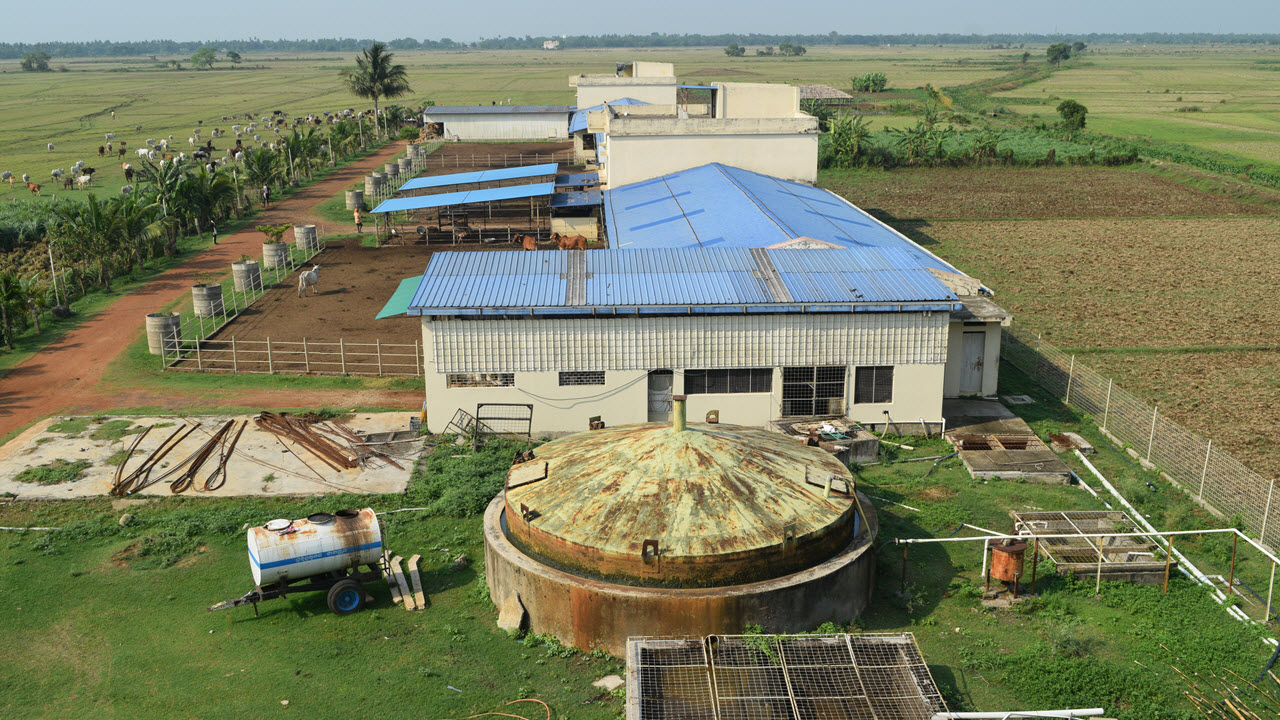
Simple, nutritious vegetarian meals are provided to all students, with menus thoughtfully planned to meet the dietary needs of growing children. Meals are prepared in the large, well-equipped kitchen located on the cow-shed campus, which features modern cooking equipment, a roti-making machine, ample storage space, and a freezer for preservation.
To promote sustainability, biogas is primarily used for cooking, with CNG as a supplementary fuel source. Once prepared, meals are delivered to individual hostels using food trucks, and students dine in their respective hostel dining areas. The kitchen block also includes a common dining room designated for staff and guests, ensuring a warm, communal mealtime experience.
To ensure a reliable supply of fresh, high-quality milk—essential for growing children—Balashram maintains a Goshala (cow shelter) with nearly 300 cows and calves. Every evening, students receive a serving of milk along with their supper, supporting their nutritional needs.
The cow waste is efficiently utilized to produce biogas, which fuels the kitchen, promoting sustainability. As part of their vocational training, students also learn to create eco-friendly products from cow waste, fostering both environmental awareness and practical skills.
The cowshed campus is also home to a large football field for recreation and physical activity, as well as a kitchen garden where vegetables and greens are cultivated to supplement the school’s meals with fresh produce.
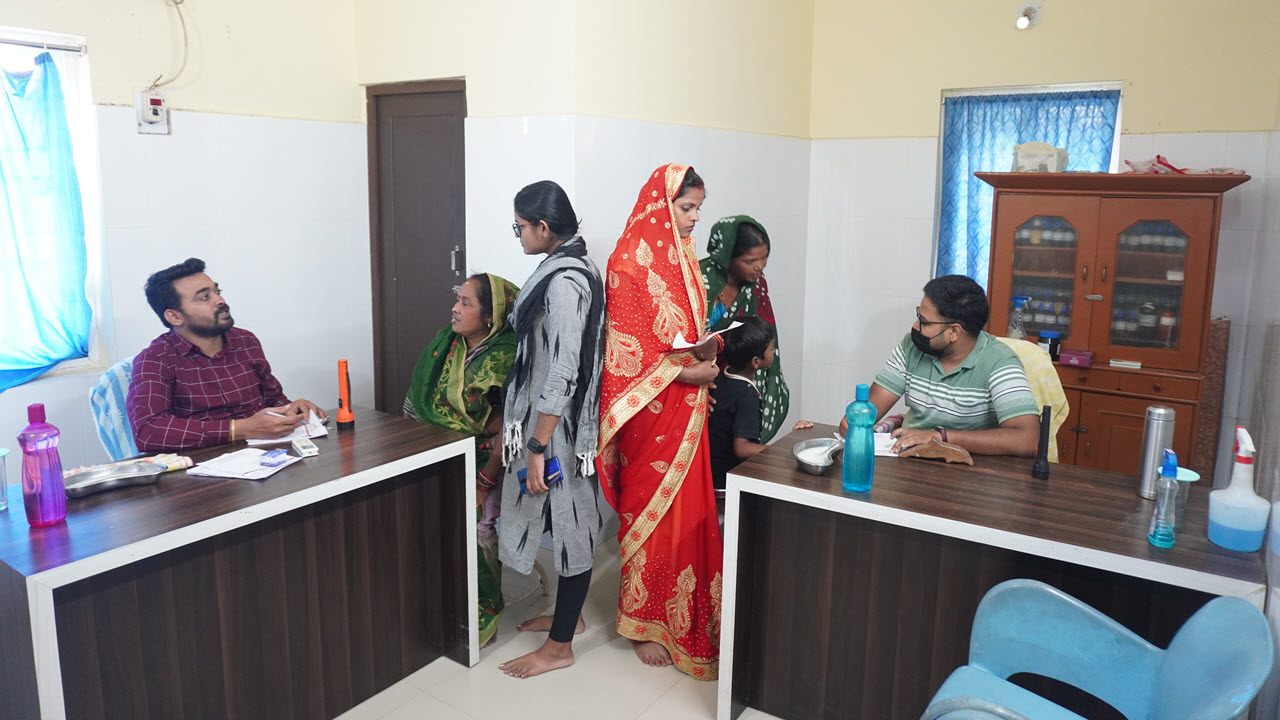
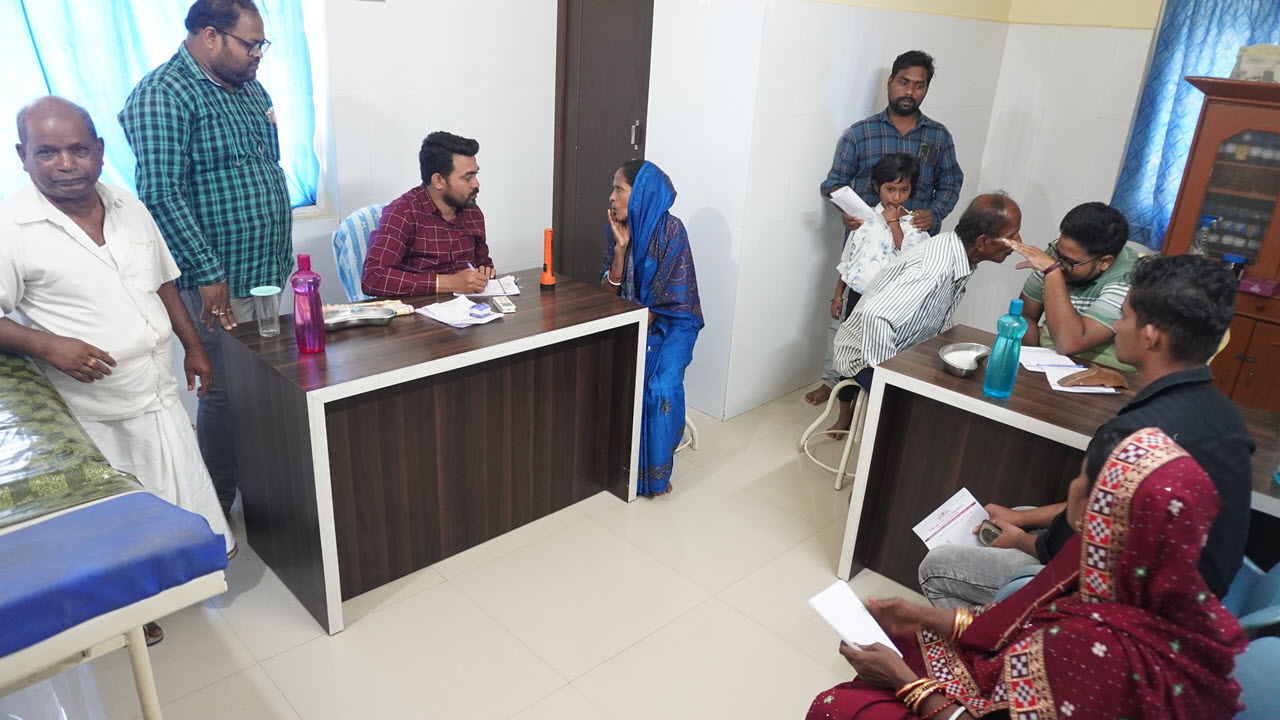
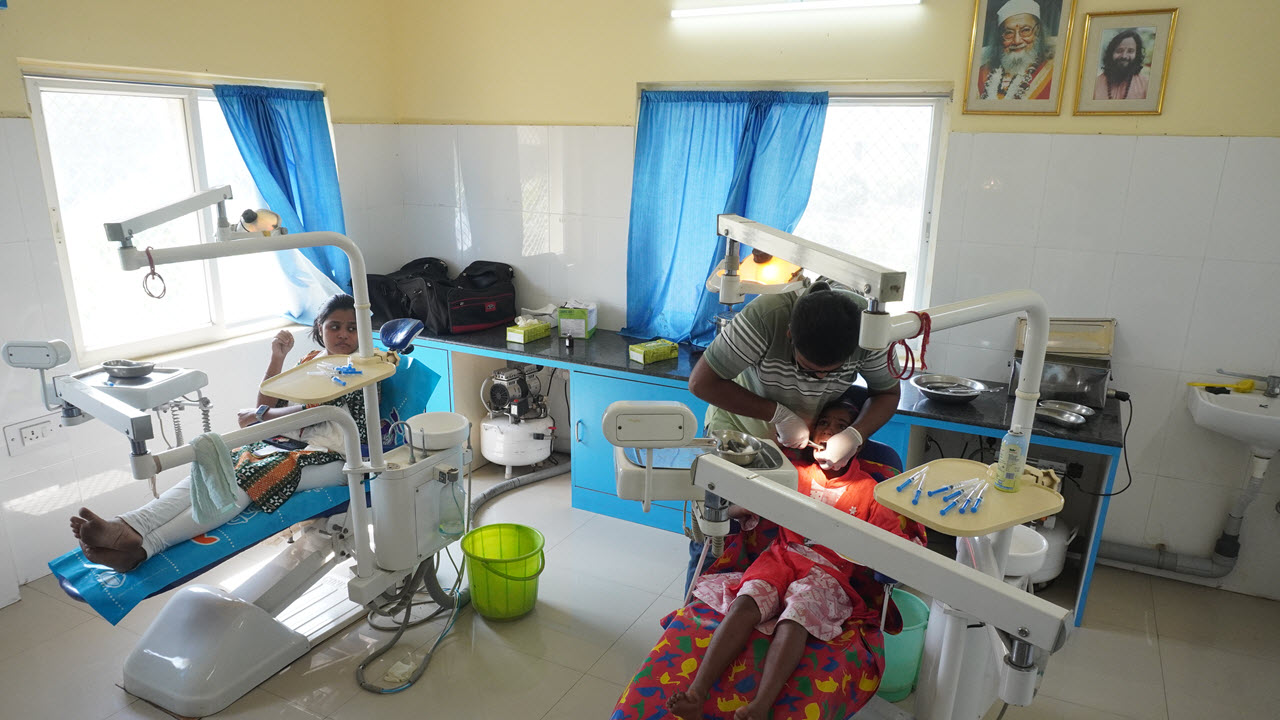
The Balashram campus houses a medical center that serves not only the students and staff of the school but also the residents of nearby villages. Established under the Village Health Project of Hariharananda Charitable Health Centre (HCHC), a wing of Prajnana Mission, the center aims to bridge the gap in accessible healthcare—particularly for women—in the surrounding rural areas.
The center offers multidisciplinary care, with homeopathy, allopathy, and ayurvedic doctors visiting on different days of the week. It remains open to villagers four days a week, serving an average of 30 patients daily from the nearby communities.
Dental services are provided twice a month, and plans are underway to expand the team to include a gynecologist and a dermatologist, enhancing the scope and quality of care available to the community.
